
New Kids on the Block: Ultralights
Ultralights are on the rise.

Recent developments in China’s low‑altitude aviation sector have brought attention to two ultra‑light eVTOL aircraft.
A single‑seat prototype developed by a team at Nanchang Institute of Technology recently completed its first crewed test flight in Jiangxi Province, marking a regional milestone.
Separately, the SPACEH ONE, developed by Shanhe Aviation, was first introduced in mid‑2025 and has reappeared in media coverage alongside new financing and product details.
Nanchang Institute of Technology Single‑Seat eVTOL (unnamed)
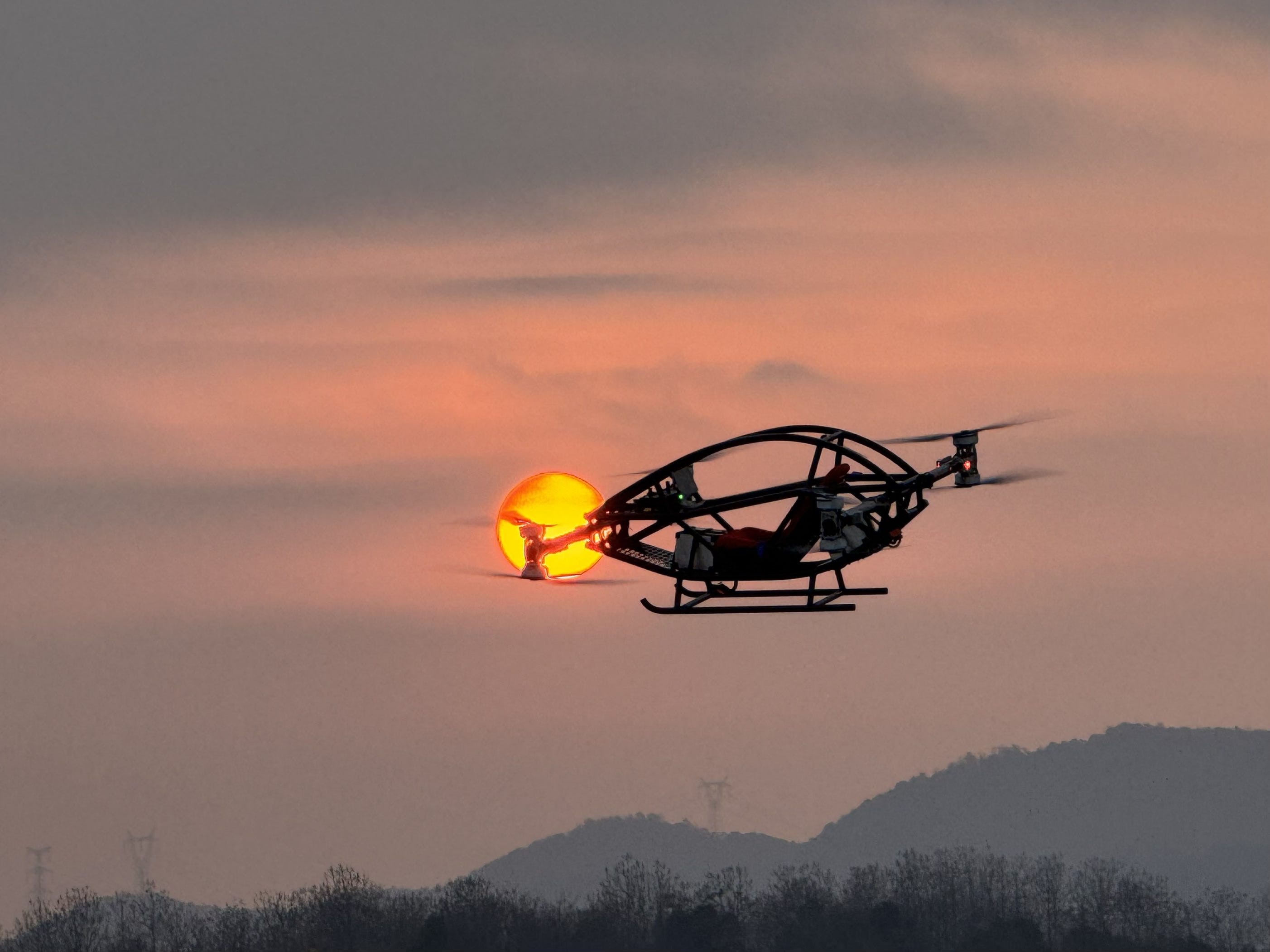
On March 19, Jiangnan Metropolis Daily reported that an ultra‑light electric crewed aircraft developed by a team at Nanchang Institute of Technology had completed its first crewed test flight at Nanchang Western Aviation Industry Park.
The ultralight is reported to be the first of its kind developed in Jiangxi Province.
According to the report, the aircraft performed a vertical takeoff, a period of stable flight, and a precise return to the origin point.
Prior to the crewed test, the prototype had completed multiple rounds of uncrewed and weight‑bearing tests.
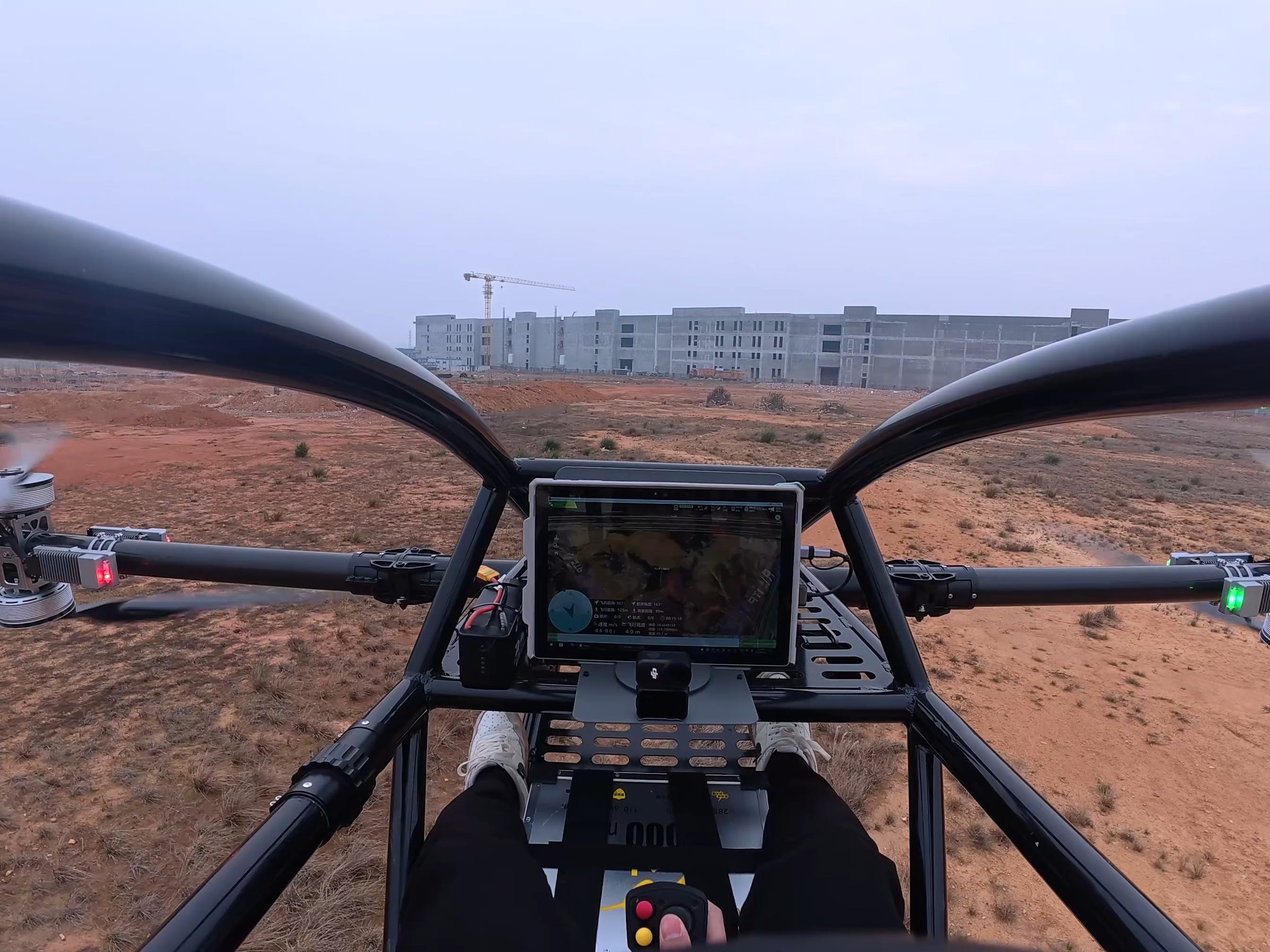
The single‑seat aircraft incorporates an airframe constructed from aviation‑grade lightweight composite materials. It is equipped with a multi‑redundant flight control system and a rare‑earth permanent magnet electric drive system.
Test results indicate a maximum payload of 200 kilograms (approximately 441 pounds) and a range of 50 kilometers (about 31 miles).
Citing the development team, local media said three supporting innovations were developed alongside the aircraft — a low‑altitude intelligent scheduling algorithm for centimeter‑level navigation; a lightweight structural design using local supply chains, which reportedly reduces manufacturing costs by 30 percent compared to similar models; and an integrated hardware, software, and service system complemented by a low‑altitude operation platform.
The aircraft has passed basic airworthiness tests and supports three operation modes — remote control by a safety pilot, manual cockpit control, and fully autonomous flight along fixed routes.
The team has indicated plans to pursue market entry within the next two to three years.
Shanhe Aviation SPACEH ONE
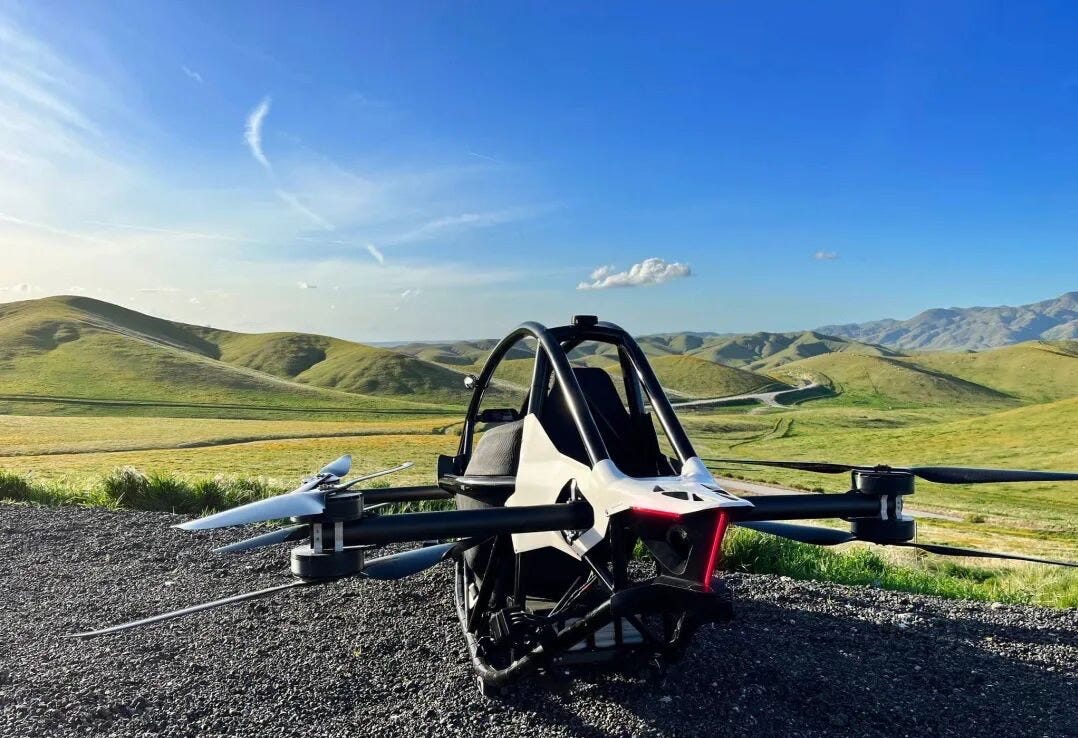
Beijing Zhongke Shanhe Aviation Technology Co., Ltd. (北京中科杉禾航空科技有限公司) initially unveiled its single‑seater ultralight eVTOL aircraft, the SPACEH ONE, in June 2025.
The company, established in April 2022 and headquartered in Haidian District, Beijing, originally operated as an aviation travel service provider focusing on business charters, high‑end tourism, and medical rescue.

Its subsequent shift toward the personal flight market has been accompanied by a series of financing rounds — a seed round in June 2024, a 10 million yuan (approximately $1.4 million) angel round in May 2025, and a 17 million yuan (about $2.4 million) angel+ round in January 2026, led by Beijing Science and Technology Innovation Fund and Shunxi Fund.
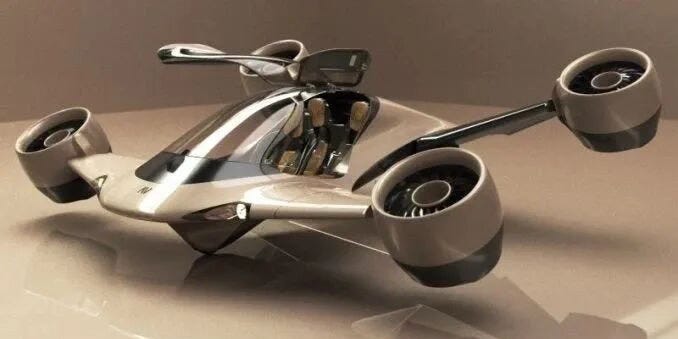
The SPACEH ONE features an open‑structure, multi‑rotor design. Control is supported by an advanced flight control system designed to lower pilot skill requirements, with the stated aim of enabling non‑professional users to operate the aircraft after short‑term training.
According to reports, safety redundancy is provided through a distributed multi‑motor layout and an electric drive system.
In earlier testing, a prototype of the aircraft underwent axial compression limit tests at a testing and certification center under AVIC.
According to test data, the structure remained intact at 150 percent of the design ultimate load, exceeding airworthiness standard requirements.
No detailed technical specifications for the SPACEH ONE have been made available at this time.
Author’s note —
For those interested, last year I created a China eVTOL directory for the Vertical Flight Society (VFS).
Chinese eVTOL Aircraft Directory, Part 1 covered larger aircraft—passenger models with more than two seats and cargo aircraft heavier than 1 metric ton (2,200 lb).
Chinese eVTOL Aircraft Directory, Part 2 focuses on smaller passenger‑ and cargo‑carrying designs.
The VFS also maintains a global eVTOL directory, which can be viewed here.